How God is using MTW church plants in the Middle East to draw Sudanese refugees to Himself
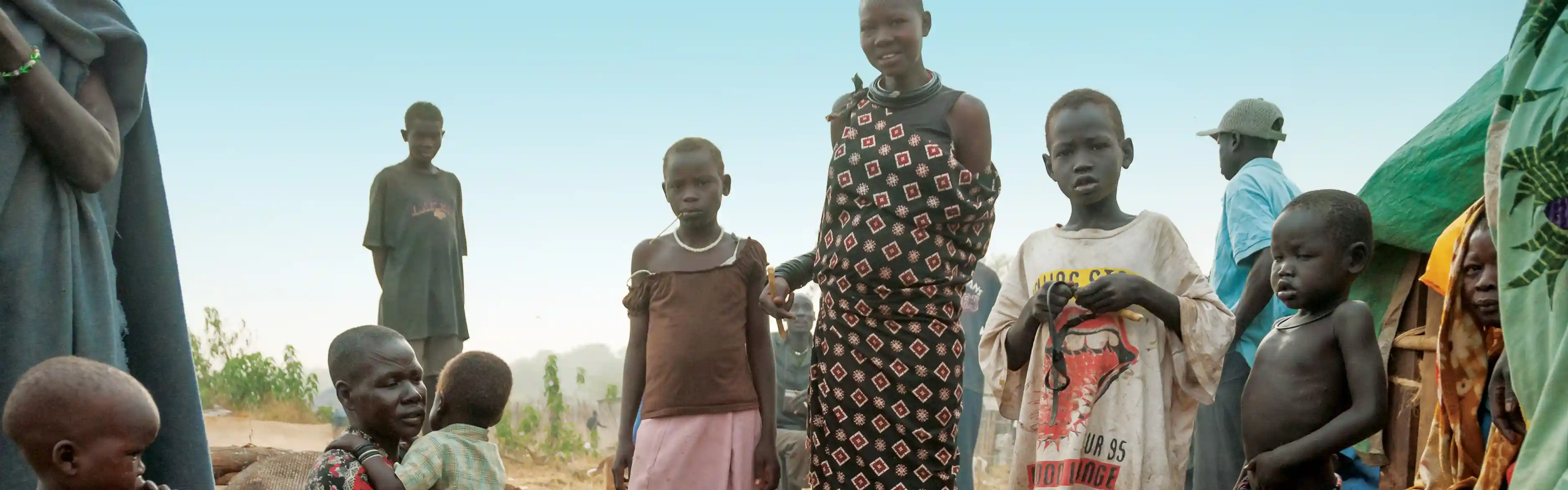
Albert* and his family were living a quiet existence when Sudan’s civil war broke out. He worked as a teacher in his village while his wife, Salma*, was busy running the home and caring for their eight children. Then, in 2023, the tension between the Sudanese Armed Forces and Rapid Support Forces snapped, plunging the country into a bloody conflict as each faction fought for government control. Suddenly, each opposing military took turns imprisoning Albert and accusing him of working for the other side. His truthful claims of innocence fell on deaf ears. Eventually, Albert escaped and fled the country. Salma* had no idea where he was.
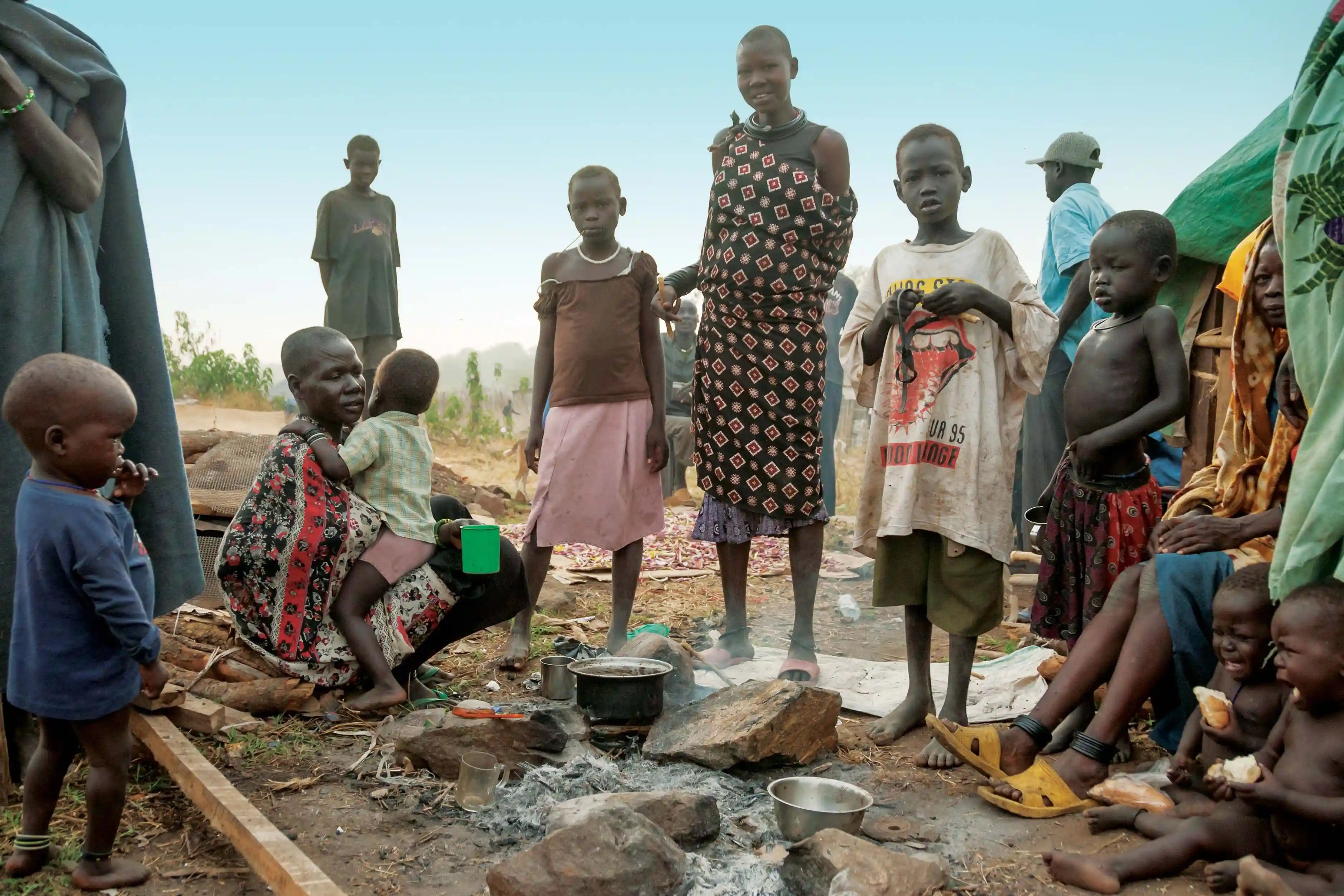
This is Sudan’s third civil war in 70 years. Famine, disease, sexual and gender-based violence, and brutal civilian massacres have led to one of the worst humanitarian crises in modern history. An estimated 12 million Sudanese are currently displaced from their homes with over 3 million living as refugees in a different country.
The flight out of Sudan was the road to salvation for Albert. At the end of the frightening journey, he found refuge at one of the MTW church plants working to extend mercy to Sudanese refugees and bring many into God’s kingdom.
An MTW field worker prepares others for the work of gospel ministry
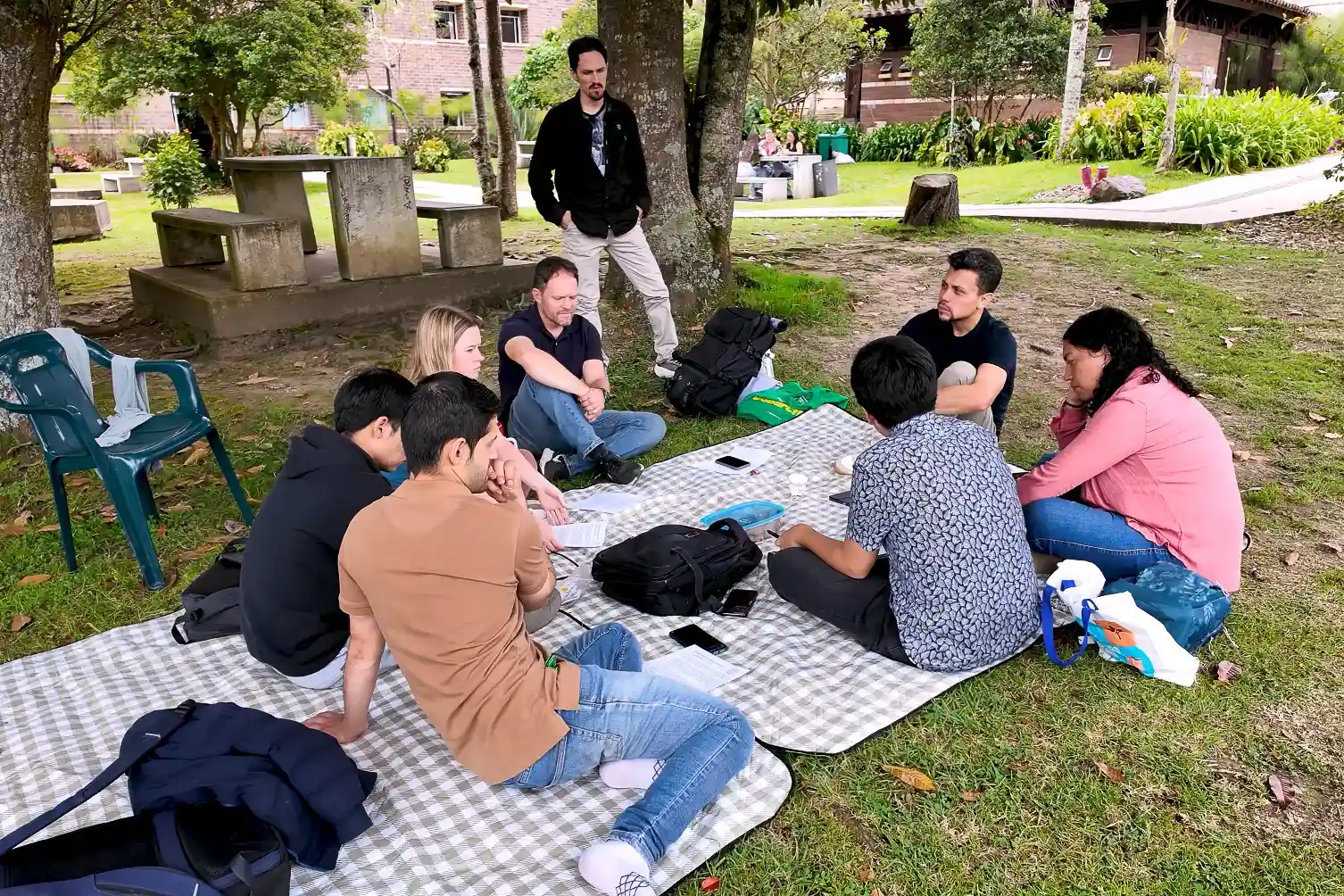
When MTW field worker Emad* was 12, his family immigrated from their home country in the Middle East to the United States. Emad grew up in one of the ancient churches of the East but did not have a saving relationship with the Lord until his freshman year of college. The moment he believed in Christ at 17 years old, he knew he was called to return to his birth country and preach the gospel.

“The main vision that we started with was to work with national people and to train leaders to do the work of the Great Commission—evangelize people, disciple people, and start new congregations,” says Emad.
Emad lived with that call for 18 years during which he finished college, seminary, and married his wife, Michelle. Finally, in 1990 at the age of 35, God provided the opportunity for Emad and Michelle to serve with MTW in the Middle Eastern country where he was born.
“The main vision that we started with was to work with national people and to train leaders to do the work of the Great Commission—evangelize people, disciple people, and start new congregations,” says Emad.
Throughout his career, Emad has focused on theological education and has taught at local seminaries and helped start a seminary and a Bible college. For many of his students, he was not only a professor, but also a mentor, working closely with them outside the classroom to disciple them for gospel ministry.
“It’s been a gratifying work to see students at one or other of these institutions go on and really serve the Lord,” says Emad.
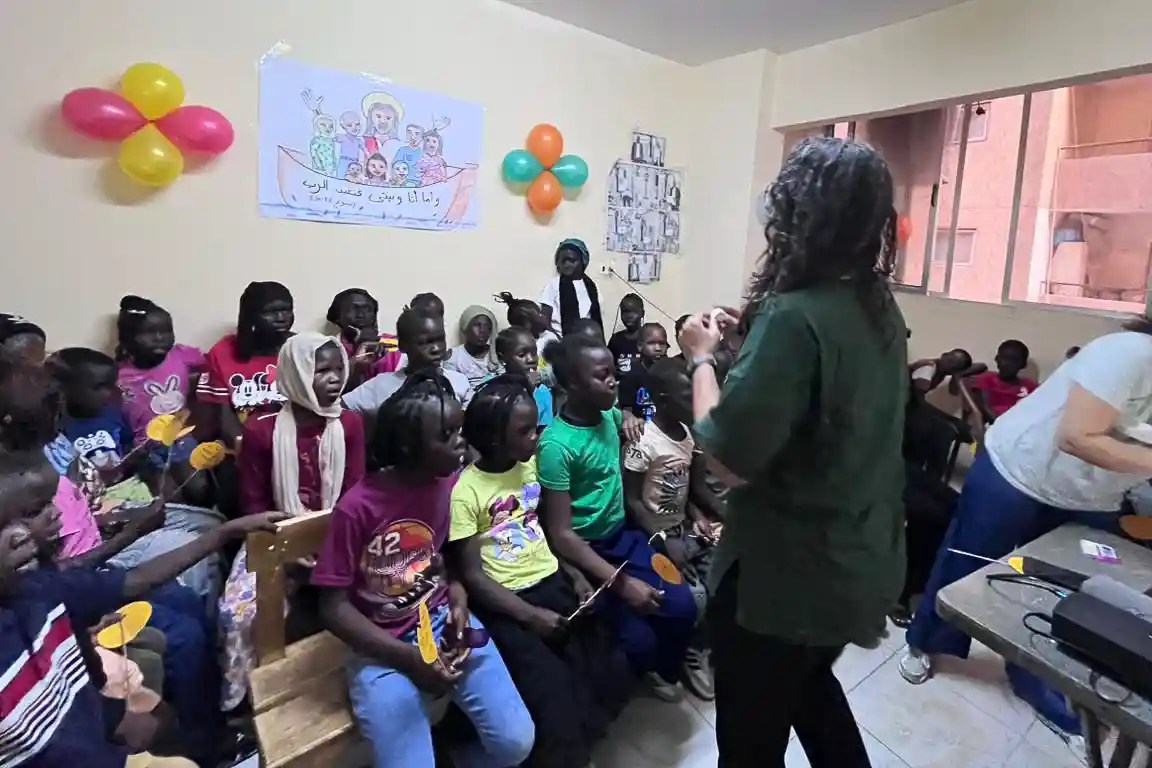
Much of Emad’s work has included the Sudanese population in his country. Several Sudanese students have graduated from both the seminary and Bible college Emad had a hand in starting. Around 2007, God called Emad and Michelle to participate more directly in church planting. Working alongside four former students, Emad oversaw the establishment of two primarily Sudanese churches in one city and a biracial church in another.
“Our students get to see how the gospel relates to people and how what we teach becomes reality on the ground. So it’s been really good that the Lord brought the theological training that we’re doing alongside our church planting and evangelism,” says Emad.
The influx of refugees from Sudan in recent years means their theology moved from the theoretical to the practical quickly. Compelled by Jesus’ compassion for the vulnerable, these churches are a living expression of Jesus’ words in Matthew 25:35, “For I was hungry and you gave me food, I was thirsty and you gave me drink, I was a stranger and you welcomed me, I was naked and you clothed me, I was sick and you visited me, I was in prison and you came to me.”
The influx of refugees from Sudan in recent years means their theology moved from the theoretical to the practical quickly. Compelled by Jesus’ compassion for the vulnerable, these churches are a living expression of Jesus’ words in Matthew 25:35, ‘For I was hungry and you gave me food …’
Sudanese pastor starts school for refugee children
For example, one of the church planters Emad works with named Farid* decided he had to do something for the hundreds of Sudanese children loitering in the streets with nothing to do.
Originally from South Sudan, Farid graduated in 2022 from the Bible college Emad helped start. When the war in Sudan started a year later, hundreds of thousands of Sudanese refugees fled their country, the majority of whom were women and children.
Though they no longer live in a war zone, their lives remain incredibly difficult. Many struggle to make ends meet, working long hours at low paying jobs for an income that barely covers rent and enough food to survive. They face discrimination from the public including local schools and hospitals which often refuse to accept Sudanese students or treat Sudanese patients. There are several Sudanese private schools in the city, but most refugees can’t afford the tuition.
Though they no longer live in a war zone, their lives remain incredibly difficult. Many struggle to make ends meet, working long hours at low paying jobs for an income that barely covers rent and buys enough food to survive.
The refugees are also concerned for the safety and health for loved ones who remain in Sudan. The country’s medical system has all but collapsed and people are dying from preventable illnesses. Many save or borrow funds to send back home, stretching their already thin financial situation even more. To top it all off, refugees live with the constant threat of arrest and deportation. It is common for family members to disappear and leave their families wondering where they are and if they will ever see them again. Several congregants in the church plants have relatives who have either been sent back to Sudan or have died in deplorable prison conditions.
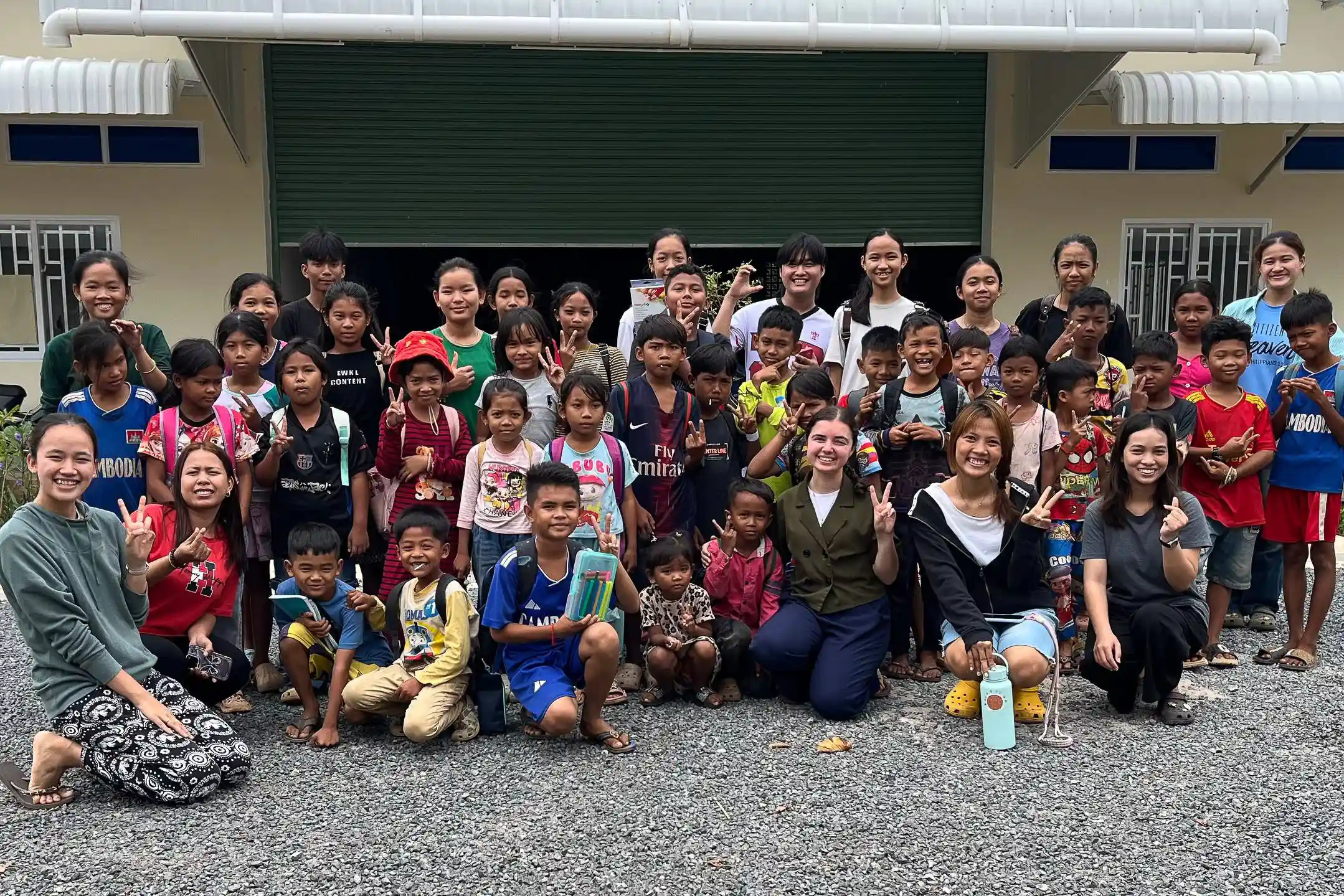
Burdened for these refugee families, Farid set out to provide education for their children. He began by compiling a database of roughly 500 Sudanese children across the city and worked with local schools to enroll about 100 of them. For the rest, he started a school of his own.
Today, Farid and 13 teachers operate the school out of three apartment buildings. They currently have 360 Sudanese students who attend at no cost to their parents. Funding comes through support from churches and individual donors. During months when money is tight, some of the teachers work without pay, sacrificing their livelihood for the sake of their students.
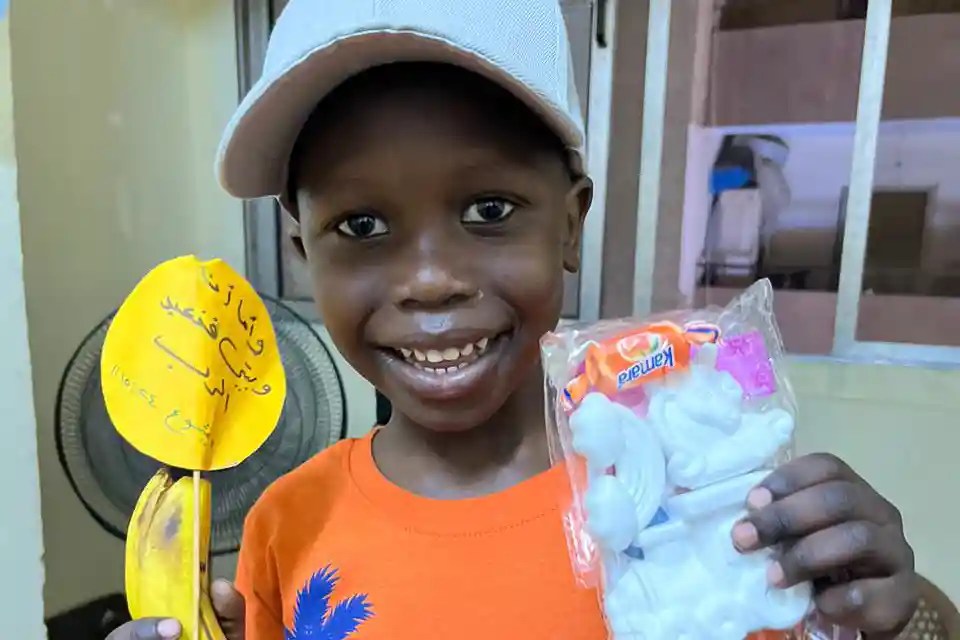
As important as education is, Farid knows that what the children and families ultimately need is Christ—the only person who can fix the brokenness in their lives, heal their trauma, and provide a sure hope amid their suffering. He began the school with the vision to evangelize and disciple the students and their families. They start each day with devotions. The teachers take every opportunity to tell students about Jesus and, when appropriate, they do home visits where they care for families and share the gospel. Through the school’s witness, many of the Sudanese families started attending Farid’s church and have come to put their faith in Jesus.
Combination of gospel and mercy ministry leads Sudanese refugees to Christ
Meanwhile, Emad’s church is also busy welcoming and caring for each other and Sudanese refugees. If someone in their midst is in need—whether it’s food, clothing, shelter, medical bills, or other financial support—the church steps in to help. Their kindness naturally draws refugees to worship services and Bible studies, and the Lord is using both the proclamation of the gospel and acts of mercy to lead people to Christ—people like Albert and Salma.
When Albert vanished, Salma took their eight children and fled. Rotting corpses from the war lined their village’s streets and there was no end in sight to the violence and instability. After arriving at her destination, she began asking the Sudanese people if they knew where her husband was.
Miraculously, through word of mouth, she reunited with Albert and joined Emad’s church. The love the church provided the family after their terrifying experience in Sudan softened Salma’s heart. She told Emad that she wanted to know the Lord and the church leaders spent time teaching her and Albert God’s Word.
Albert, whose knowledge of Christianity came from the Catholic school he attended as a child, began to learn more about the God of the Bible. Through studying Scripture, he realized that Jesus’ life, death, and resurrection has made communion with God possible for people like him and that God promises His people eternal life in His presence. Last summer, Albert, Salma, and seven of their children made a profession of faith.
“It was very exciting,” says Emad. “They’re very sincere. They’re very proactive and they are very faithful in church and in Sunday school.”
In keeping with Emad’s approach to ministry—and the biblical pattern of making disciples—Albert is now being equipped to share the gospel with others. Recently, Emad asked him to begin working with a young man named Ibrahim*.
Ibrahim is in his 30s and, due to a work accident back in Sudan, disabled. Shortly after he left Sudan, he heard about Emad’s church and asked for help. With no family, no home, and no ability to work, read, or write, he was in a desperate situation. The church took him in, providing money so he could pay rent, buy food, and receive much-needed medical care. Ibrahim has attended church ever since and started learning to read and write.
In keeping with Emad’s approach to ministry—and the biblical pattern of making disciples—Albert is now being equipped to share the gospel with others. Recently, Emad asked him to begin working with a young man named Ibrahim*.
Recently, he told Emad that he had accepted Christ. “I asked Albert to work with him and explain to him the faith and make sure that he understands and that he is not just saying this because we’re helping him,” says Emad.
Albert has consistently met with Ibrahim, explaining the significance and beauty of Christ. Ibrahim, in all sincerity, expressed that he is ready to make a public profession of faith. His conversion is the latest in a long list of Sudanese refugees God has brought to the faith or nurtured in Christ in the different churches Emand and his partners have planted.
God’s grace expressed through His people
Farid, Albert, Salma, and Ibrahim’s stories are a close-up of what is happening in this region of the world. Much of it is grim, as the Sudanese experience unimaginable suffering. Yet it is not a situation without hope. The Lord is there, revealing His grace through the kindness of His people and the ministry of the local church. Through their obedient preaching of the gospel and love for their neighbor, God is calling Sudanese refugees into life in His Son.
You can support this ministry by giving to the Sudanese ministry project #93182.
*Names omitted or changed for security purposes.

Get good news every week! Subscribe to Stories & More for stories of God's work, videos from the missions field, and a wide range of missions topics.
Chelsea Rollman
Chelsea Rollman is a marketing specialist and staff writer at MTW. She formerly served as the girls’ discipleship coordinator at Village Seven in Colorado Springs, and as a marketing assistant at The White Horse Inn. Chelsea graduated from Covenant College in 2016 with her B.A. in English. She and her husband, Hudson, live in Jacksonville, Florida, and attend Christ Church Presbyterian where Hudson serves as the youth director.