A strong foundation
The essential role of training in missions
One of the things I love best about Mission to the World is their commitment to equipping missionaries and churches for the work of the Great Commission. Throughout every stage of our family’s missionary experience, I can fondly recall training opportunities, and the impact that they had on me. Again and again, God used MTW’s value for training and leadership development to draw me into becoming more than I was for the sake of blessing others and building up His global Church.
Initial exploration
When my husband and I began pursuing the Lord’s will for our lives regarding missions, we were unsure about where the Lord was calling us or what sending agency to partner with. We reached out to several agencies to see how they might be able to help us move toward clarity. From the beginning, MTW’s personalized approach was to equip us with knowledge and connections which provided us with clear next steps. They helped us know what questions we should be asking. They explained how various types of missionary teams function differently. And they encouraged us to consider our own personalities and expectations as we interacted with potential teams to join. I learned so much about missions from MTW before we ever agreed to serve with them.
Preparing for the field
Our formal launch into missionary service with Mission to the World began, once again, with training. They taught us how to raise support, helped us solidify what we would share with potential donors, and gave us feedback after our initial practice presentations. They trained us in different approaches to evangelism that I often recall even to this day. They prepared us for culture shock and language acquisition through a month-long internship overseas, and they prepared us to navigate a variety of missionary team dynamics.
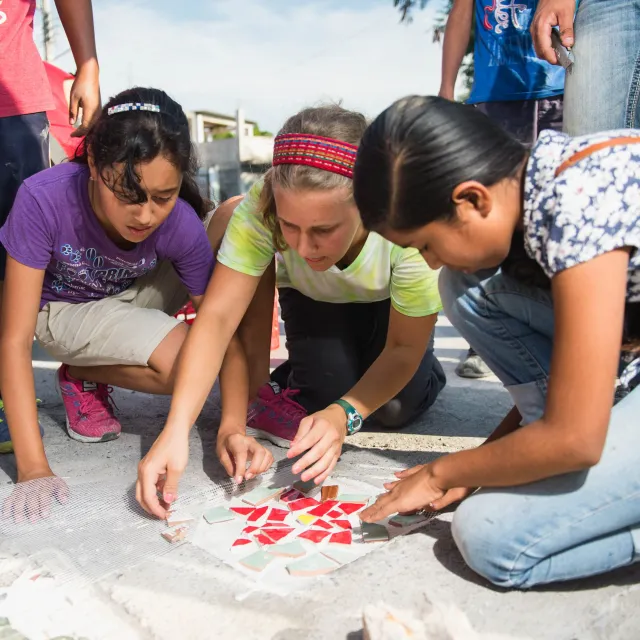
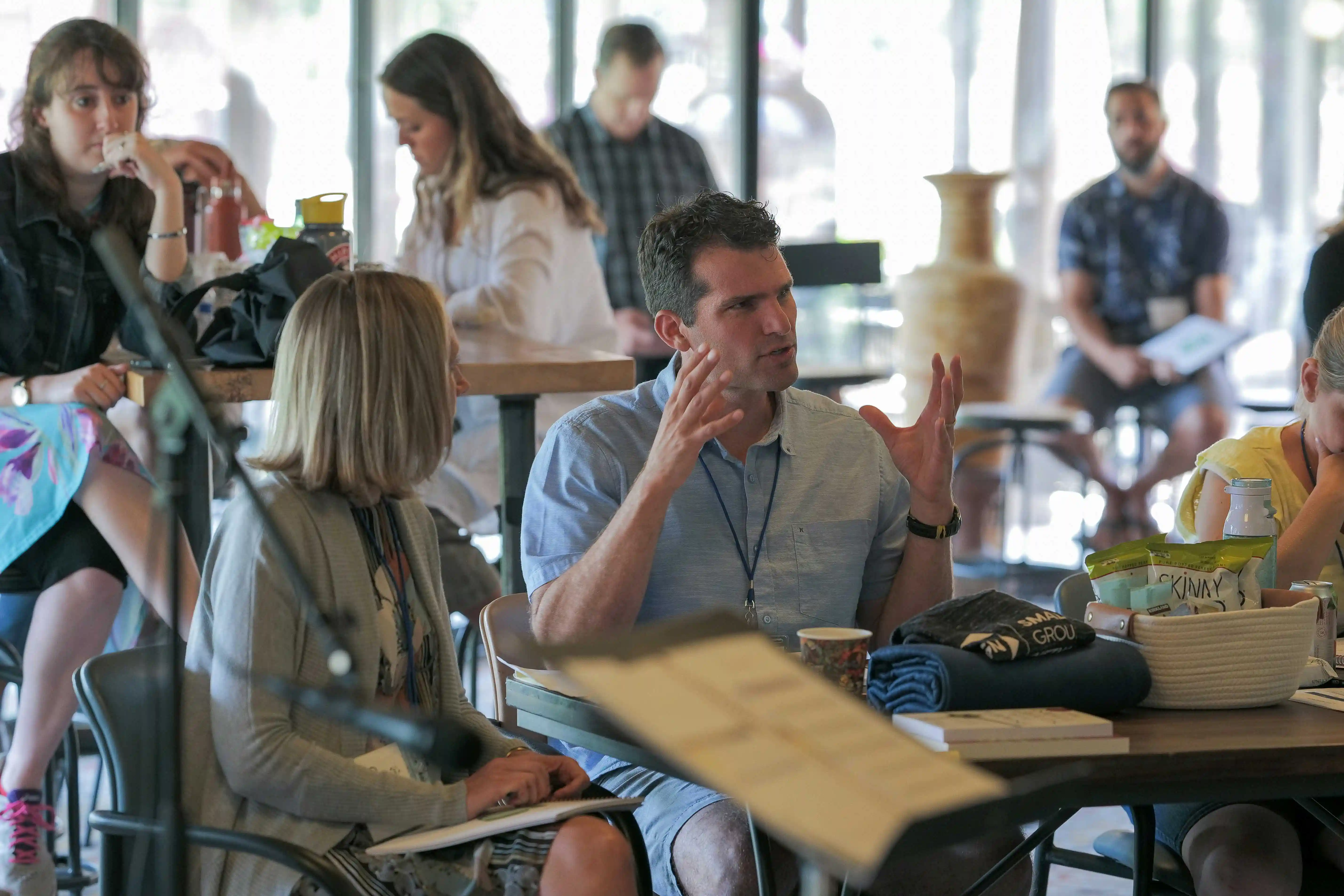
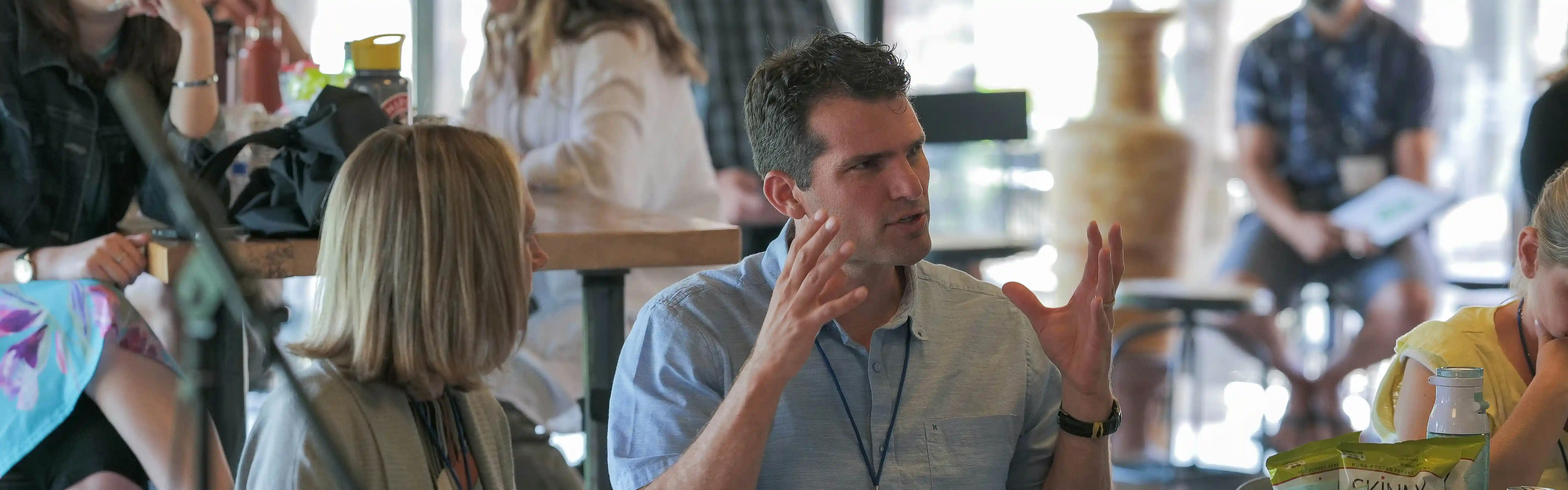
I genuinely enjoyed this training and the camaraderie I experienced with others in the process. I came to recognize that MTW didn’t just want to provide me with information. Their value for adult learning principles engaged me actively and relationally in the learning process, such that I brought my own experiences, passions, goals, and benefited from the contributions of others as well. Through discussion groups, case studies, and practical exercises, we were challenged to understand new concepts, articulate how we were processing them, and consider how to apply them in realistic missionary situations.

Through discussion groups, case studies, and practical exercises, we were challenged to understand new concepts and consider how to apply them in realistic missionary situations.
Contributing from the field
While our family was involved in church planting work in Peru, we had the opportunity to collaborate with a team of MTW missionaries who were forming a new development pathway for missionaries. MTW was committed to positioning current missionaries to speak into the onboarding experience they provided for those preparing to serve internationally. I loved getting to work alongside missionaries around the world on this project. It was such a joy to draw on my own experiences and contribute to a practical and relational training pathway toward missionary service for those coming after us.
Leading cohorts of new missionaries
This training pathway came to be known as Kingdom Foundations, and after our family returned from the field, it was our joy to help execute it. Our first assignment was to lead a cohort of new missionaries through the training. As a couple with recent missionary experience, it was so exciting to lead these bi-weekly meetings where we walked through topics like connecting with your sending church, ministry expectations, evangelism approaches, and biblical conflict. We were blessed to share things we had learned on the field, both practical insights and also the reassurance that God shows up and walks with you through the unknowns and challenges of missionary service.
This cohort-based training model, which continues for the first 10 months of a missionary’s journey, also sets up the participants to learn from each other’s experiences, insights, and questions.
This cohort-based training model, which continues for the first 10 months of a missionary’s journey, also sets up the participants to learn from each other’s experiences, insights, and questions. Many of them come with significant ministry and cross-cultural experience. It is so fun to watch how the Lord uses these missionaries in each other’s lives to come alongside and build each other up in their callings. They pray over one another, share their support raising experiences, and lament together when the road is difficult. In so many ways they validate each other’s callings and champion each step of faith taken toward apprenticeship to Jesus.
Developing training for churches
During our initial years back in the U.S., my husband, Derek, had the opportunity to collaborate with others at MTW on a project that would provide dynamic missions training for churches. Drawing on adult learning principles like those mentioned above, Derek enjoyed having a small role in helping launch a course for people in the U.S. church that would equip them to engage their own congregations strategically to cultivate a culture of missions and further the Great Commission. This training tool for churches, known today as Cultivate, came together through the collaboration of church leaders and former missionaries pooling their experiences both on the field and in the U.S. church. Today the knowledge and experience represented through Cultivate is continuing to increase as each church group interacts with the course and contributes their own unique experiences and approach to advancing God’s kingdom around the world.
Book learning is valuable, but discussing those ideas with a current missionary who has applied them in a cross-cultural, multiethnic team setting is even more impactful.
Why adult learning principles matter
The world we live in is constantly changing—both here and across the globe—so the church’s approach to engaging other cultures with the gospel must adapt accordingly. By bringing together current examples of the gospel at work with disciples who contribute their own experiences and gifts, we gain a richer, more grounded understanding of mission. Book learning is valuable, but discussing those ideas with a current missionary who has applied them in a cross-cultural, multiethnic team setting is even more impactful. I deeply appreciate MTW’s commitment to connecting churches and missionaries in training with those actively serving, as well as with one another, so that the Lord can use our shared experiences to sharpen us and move us forward in His mission.
Ready to explore service with MTW? Visit mtw.org/serve. Or learn more about MTW’s Cultivate course for churches at mtw.org/cultivate.

Get good news every week! Subscribe to Stories & More for stories of God's work, videos from the missions field, and a wide range of missions topics.

Laura Dougherty
Laura Dougherty, along with her husband, Derek, and two children, served in church-planting with MTW’s team in Cusco, Peru, from 2016-2021 helping to plant a local church. Laura and Derek also served with MTW’s learning team in training and development for new missionaries. They are passionate about helping others grow in their walk with the Lord and preparedness for ministry through group learning and interchange.