Lifting our eyes
Seeing God’s work in Central Asia
It began as an ordinary church announcement. Our pastor at Cross Covenant Chinese Church in Charlotte, North Carolina, received an email from MTW Regional Director Leonard Liu inviting members to join a vision trip to Central Asia.
The region certainly sounded interesting, but to be honest, I did not take the opportunity very seriously at first. Work was busy, and a major company project already occupied much of my attention. A trip halfway around the world felt unrealistic.
My wife, Shannon, though not naturally outgoing, quietly made up her mind to go. She was later asked to become the contact person for our church and began gathering information from the organizers. Her willingness and enthusiasm inspired me, and eventually I joined her in saying yes.
At one point, nine brothers and sisters from our church planned to participate. As regional tensions increased and conflict broke out in the Middle East, some understandably withdrew, and the group from our church was eventually reduced to five.
Before the trip, I wondered what we would actually be doing. Through several online meetings with one of the missionaries, I gradually understood that this was not the kind of mission trip I had imagined. We were not expected to be doctors, teachers, engineers, or specialists bringing expertise to the field.
Instead, we were invited to serve in a simpler but important role: to be eyes that see what God is doing, ears that listen to the workers and the people they serve, and eventually voices that share these stories with others when we return home.
The Central Asia I did not expect
I do not consider myself much of a traveler, so almost any unfamiliar place comes with surprises. Central Asia was no exception. Perhaps my biggest surprise was realizing how different reality was from the picture I had unconsciously carried in my mind. When I thought of a mission field, I imagined poverty, underdeveloped infrastructure, and difficult living conditions.
Instead, we arrived in a modern city filled with high-rise buildings, busy but clean and tidy streets, and shopping centers. There was prosperity and energy everywhere around us.
Another surprise was the continuing influence of the former Soviet Union. Although the Soviet era lasted only several decades before its collapse in 1991, its imprint remains visible today. The influence can still be seen in language, architecture, education, and even the products sold in stores.
Religion also carried layers of history that I had not expected. Islam first arrived in the region through the Silk Road more than 1,000 years ago and remains the faith of the overwhelming majority of the population today. Yet the story of Christianity in this land is far older and richer than I had realized. Even in remote towns and quiet corners of the region, there are traces of Christian communities that existed many centuries ago. Ruins of ancient churches still stand as silent witnesses to a gospel presence that stretches back to the early centuries of church history.
Seeing these remnants was deeply encouraging to me. Kingdom work in this part of the world did not begin with the arrival of today’s missionaries, nor did it disappear when circumstances became difficult. God has been at work here for generations.

We were invited to serve in a simpler but important role: to be eyes that see what God is doing, ears that listen to the workers and the people they serve, and eventually voices that share these stories with others when we return home.
Meeting the workers: Ordinary people with extraordinary obedience
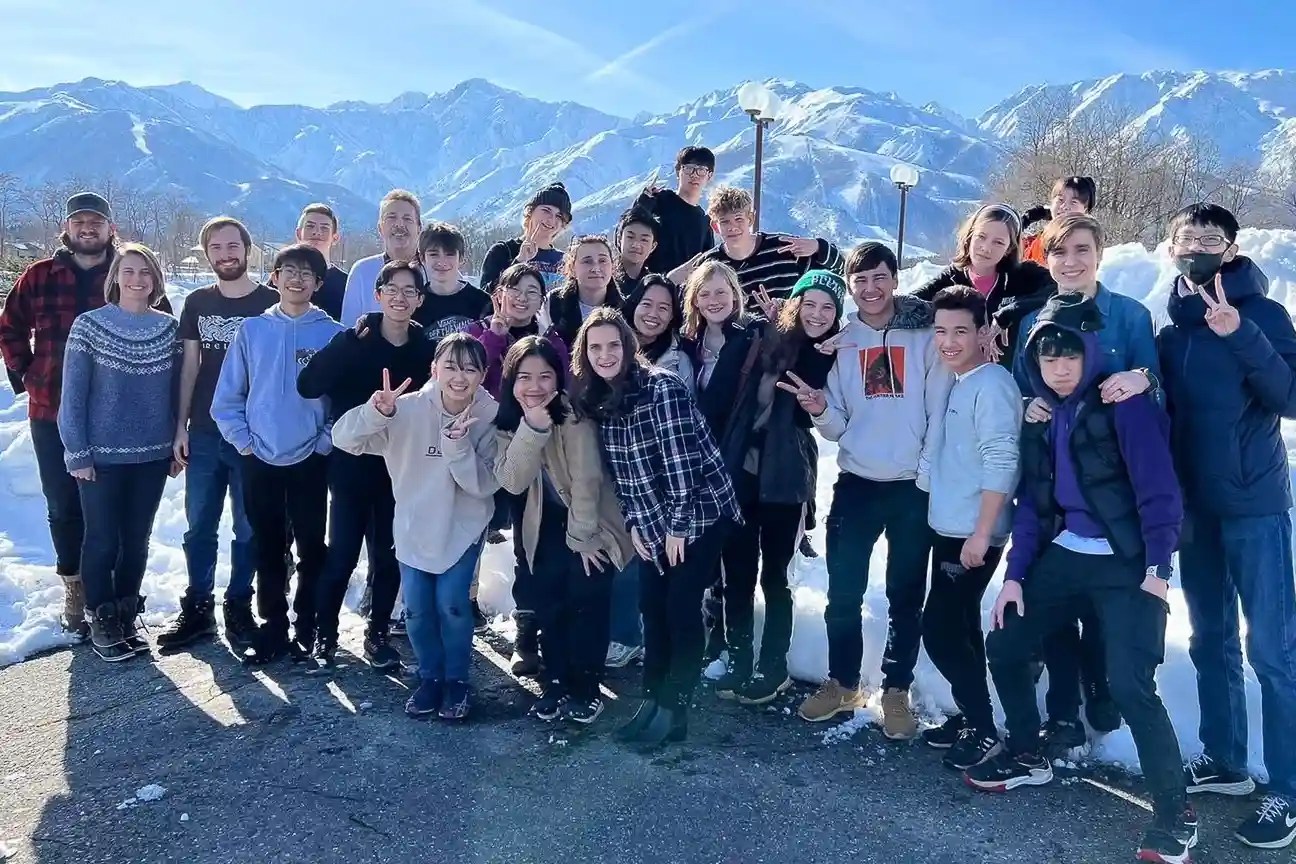
Over the course of our trip, we spent time with four families and four young singles serving in the region. It almost goes without saying that anyone willing to leave behind familiar surroundings, comfortable routines, and established careers in order to learn a new language, adapt to a new culture, and serve far from home must possess a deep sense of calling and commitment. Yet what struck me most was not simply their sacrifice, but the kind of people they were.
They were thoughtful, capable, and remarkably gifted individuals. From the careful planning behind our trip to their ability to learn difficult languages and navigate unfamiliar cultural settings, it was obvious that these were people who could have succeeded in almost any profession they chose. Many likely left behind promising careers and opportunities that the world would consider enviable. Instead, they chose obedience.
Perhaps nothing challenged me more than watching families raise young children in this environment. Bringing infants and young children into a foreign country, adapting to new schools, languages, healthcare systems, and everyday life far from extended family support is something I had rarely considered before.
And yet the children we met were joyful, adaptable, and well-mannered. The teenage children especially left a deep impression on me. Rather than appearing resentful or reluctant, they seemed to embrace this life with maturity and grace. In many ways, they became an inspiration to me as much as their parents did.
The workers also carried a vision that extended beyond immediate needs. In addition to supporting local believers and building relationships within their communities, leaders invested significant effort in training and equipping local pastors so that churches could be firmly established upon biblical foundations.
The goal was never merely to create dependence on outside workers, but to see healthy local churches planted, strengthened, and matured through faithful discipleship and theological training. This long-term perspective impressed me greatly.
Prayer, creativity, and perseverance
If there was one characteristic that consistently stood out among the workers we met, it was their commitment to prayer. Prayer was not treated as a formality or an item to check off a schedule. It was woven naturally into conversations, decisions, plans, and ministry opportunities. The more I observed their lives, the more I began to understand why.
These workers were humble enough to recognize that no amount of effort, strategy, or experience could change a human heart. They worked diligently, sacrificed generously, planned carefully, and constantly searched for better ways to serve the people around them. Yet underneath all of that activity was a quiet conviction: Only God can cause the seed to grow.
Their creativity also left a deep impression on me. Within the opportunities available to them, they continually explored ways to build genuine relationships and create spaces where meaningful conversations could happen naturally. Some initiatives took the form of creative businesses or artisan projects. Others involved providing community and hospitality for university students living away from home. Still others sought to engage younger generations through online platforms and thoughtful discussions about life, purpose, and spiritual questions.
None of these efforts appeared flashy or dramatic. Instead, they reflected patient investment in people and a willingness to serve faithfully within the realities of the local context. During our journey to some of the more remote areas, one leader who shared the larger vision with us was equally attentive to small, everyday details. Along the way, he would point to different places and mention things like a small group of believers here, a struggling family there, a student asking questions, or a young person searching for meaning. Their vision may be global, but their ministry is deeply personal.
What the trip taught me
Before this trip, I often viewed missions as something extraordinary done by extraordinary people in extraordinary places. What I witnessed instead was the quiet faithfulness of ordinary believers loving Christ and serving others through relationships, hospitality, prayer, and perseverance. God’s kingdom often advances one conversation and one life at a time.
The trip reminded me not to wait for the “right time” to participate in God’s mission. Whether overseas or at home, our calling is the same: love Him, follow Him faithfully, and be ready to share the hope we have with those God places around us. The mission field may be far away, but it is also much closer than we often realize.
Bringing the vision home
We went as eyes to see God’s work, ears to listen to the workers and the people they serve, and now perhaps we become voices that help others see a little more clearly the greatness of God’s kingdom. One of the strongest impressions I brought home is this: God is working in places many of us could not find on a map and among people groups we may know very little about.
Long before we arrived, He was already there. The same God who has faithfully sustained His church through centuries of political change, cultural shifts, and historical upheavals continues to build His kingdom today. That realization fills me with gratitude and confidence.
As believers, we should desire to understand more of what God is doing throughout the world and remain open to whatever role He may invite us to play in His purposes.
Our first response should be prayer. The workers we met repeatedly reminded us that prayer is not a supporting activity of missions; it is central to missions. They depend upon the prayers of God’s people just as much as they depend upon training, planning, or resources. May we pray faithfully for those whom God has called to serve cross-culturally. May we seek ways to encourage them, remain connected with them, and care for them well.
Perhaps our second response is preparation. God’s kingdom is larger than our own communities, our own nations, and our own experiences. As believers, we should desire to understand more of what God is doing throughout the world and remain open to whatever role He may invite us to play in His purposes.
For some, that calling may involve going. For many, it may involve praying, supporting, encouraging, sending, and welcoming. But all of us are invited to participate in His work wherever He places us. May God give us eyes to see what He is doing, hearts willing to join Him in His work, and faith to follow wherever He leads.
“Lift up your eyes, and see that the fields are white for harvest.” — John 4:35

Get good news every week! Subscribe to Stories & More for stories of God's work, videos from the missions field, and a wide range of missions topics.

Eric Tse
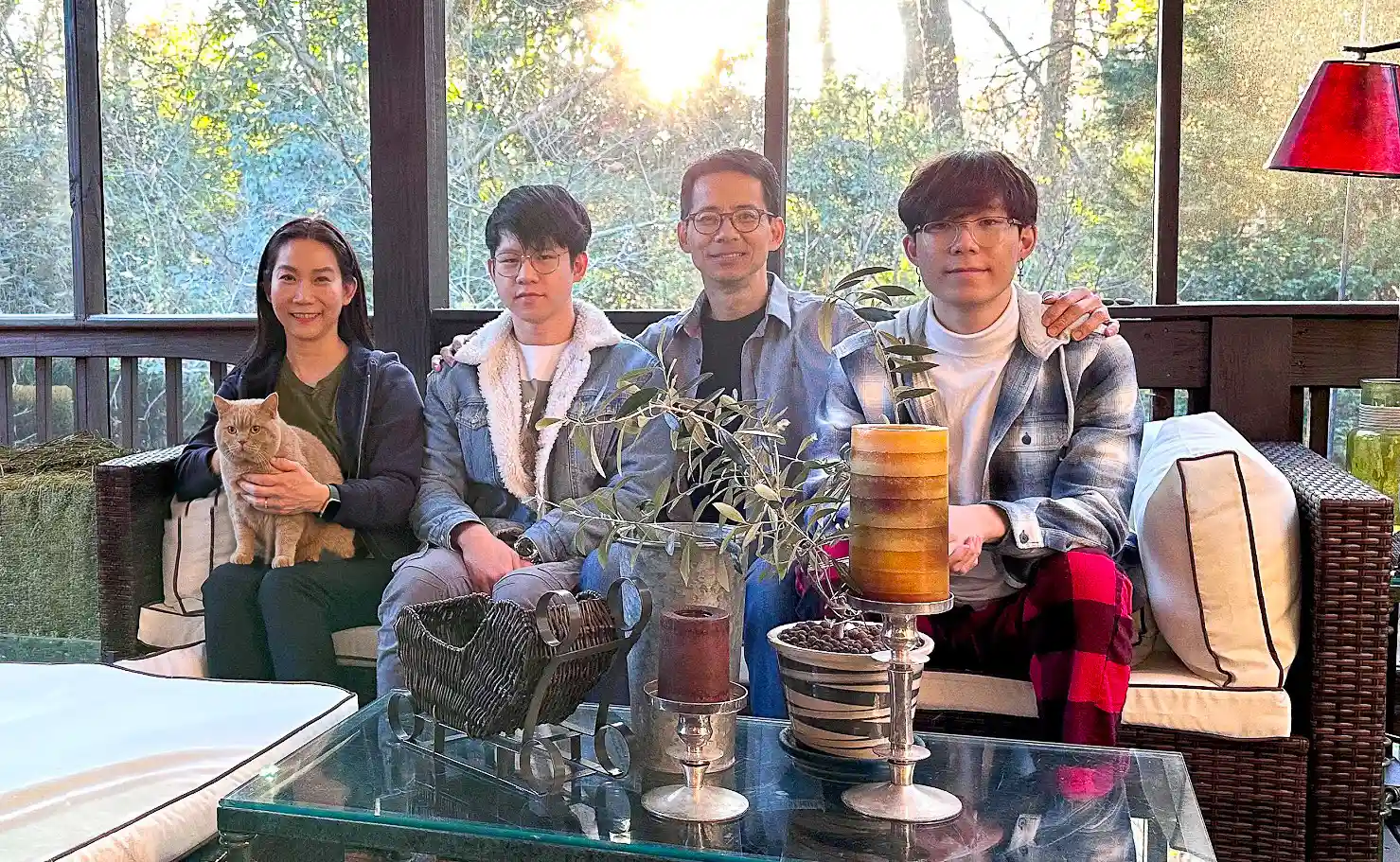
Eric Tse grew up in Hong Kong and moved to the U.S. at 25 to pursue graduate studies in industrial design, and God opened doors for him to stay. He and his wife, Shannon, have two grown sons and worship at Cross Covenant Chinese Church in Charlotte, North Carolina.