Values that matter
The church
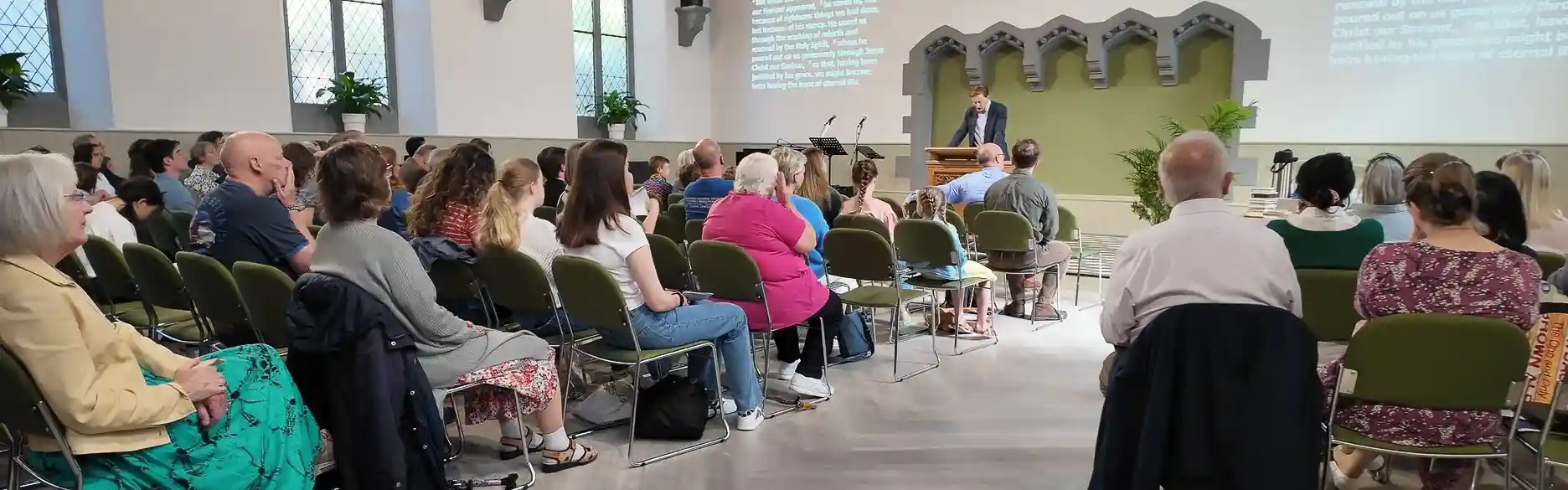
MTW’s mission is to make disciples among all nations. MTW’s values are how we do that. They inform where we work, what we do, and conversely, what we choose not to do as we aim to be wise stewards. Whether it’s training church planters in Senegal, ministering to trafficking victims in Cambodia, or planting new churches in Italy, our values are at the center. MTW’s four key values are “the church,” “grace-based,” “Reformed and covenantal,” and “mercy, justice, and the love of God.” In this first installment of our series “Values that matter,” we’ll talk about MTW’s value of the church.
At MTW we love the church. It’s at the heart of everything we do. Every missionary sent, every partnership formed, and every strategy developed, is rooted in a deep conviction that God’s primary instrument for accomplishing His redemptive purposes in the world is His Church. As the church planting arm of the PCA globally, our goal is not merely the proclamation of the gospel to individuals, but the establishment, growth, and maturity of healthy churches around the world.
This commitment is not driven by pragmatism but because we are convinced that from Genesis to Revelation, God’s mission has always been about forming a people for Himself. In calling Abraham, God promised to bless the nations through a covenant community (Gen. 12:1–3). At Sinai, He chose Israel to be His treasured possession and a kingdom of priests (Exod. 19:4–6). In the New Testament, Christ redeems a people drawn from every people, tribe, nation and tongue, gathering them into one body (Rev. 7:9–10). God saves individuals. Yet He doesn’t save them in isolation. He forms them into the church.
MTW’s philosophy of ministry captures this biblical reality when it states, “Since Creation, God has been establishing a people for Himself, planting His Church. It is therefore no wonder that the expected fruit of the gospel of the kingdom would be the redeeming of not just individuals, but communities of people for the King, His Church.” The gospel creates communities of faith shaped by His Word, marked by love, and committed to the Great Commission.
The church at the center of God’s mission
The centrality of the church is not a modern construct but built on the apostolic pattern in the New Testament. The apostles did not merely proclaim the gospel and move on. Wherever the gospel was received, believers were gathered into visible communities. Elders were appointed, teaching was established, and congregations were formed to nurture faith, ensure doctrinal faithfulness and become the launching point for new churches (Acts 14:21–23; Titus 1:5).
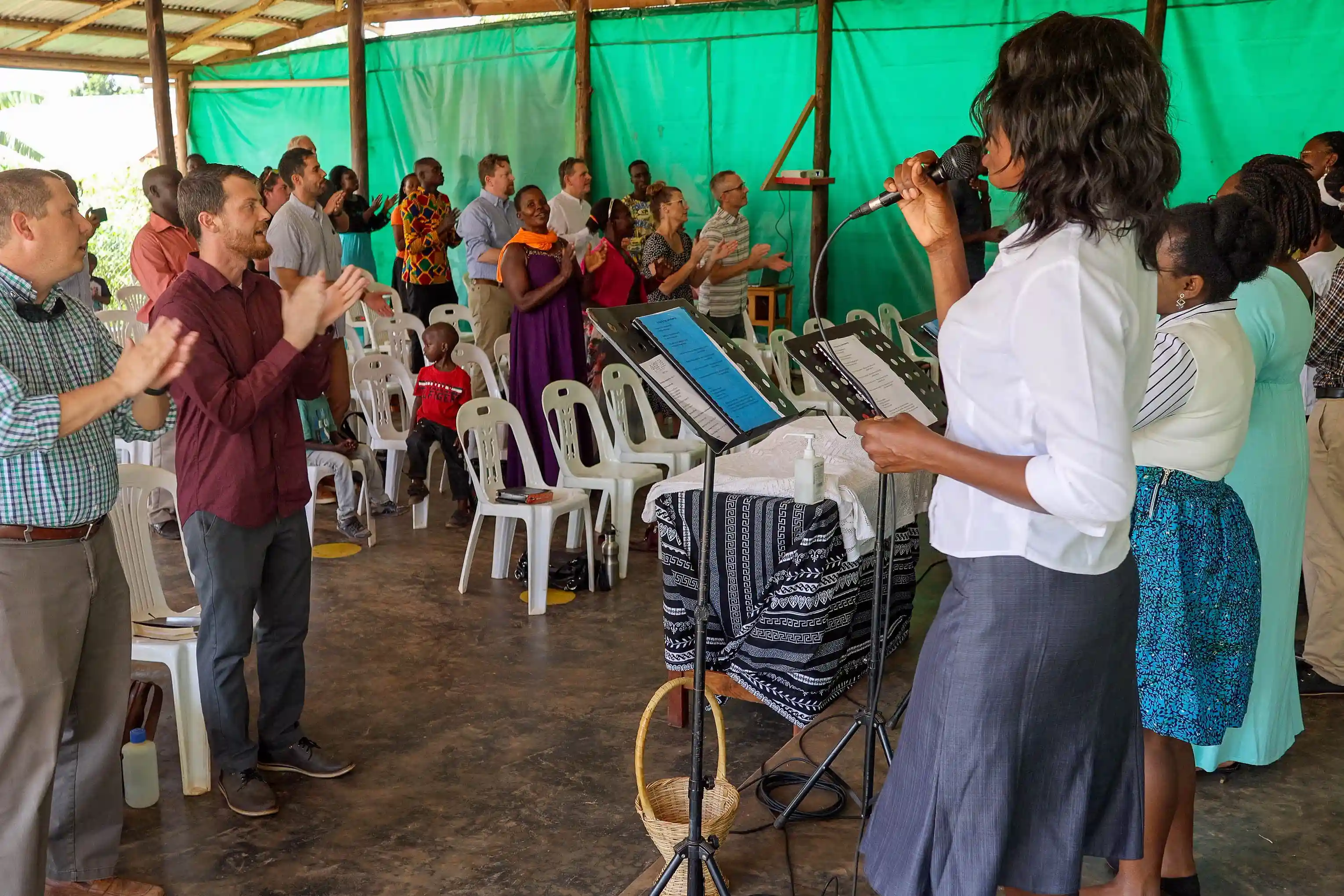
Acts 13 provides one of the clearest examples of the church’s role in global mission. The Holy Spirit speaks while the church at Antioch is gathered in worship, fasting, and prayer: “Set apart for me Barnabas and Saul for the work to which I have called them” (Acts 13:2). The missionaries are sent out by the church, supported by the church, and later return to report what God has done (Acts 14:26–27). Missions is the natural outworking of a praying, fasting, and worshipping community.
MTW embraces this pattern. We believe the Great Commission is fulfilled as churches send missionaries to make disciples and to plant and strengthen local churches (Matt. 28:18–20; Acts 13:1–3). The missionary’s goal is the establishment of new worshiping communities where Christ is confessed, disciples are formed, local leaders are equipped, and the next generation of missionaries are sent until Christ comes again.
Gathering disciples into churches
In many current missions conversations, the emphasis can drift toward individual conversion, humanitarian impact, or results-based strategies. While these may be important expressions of Christian love and witness, they are incomplete if they are detached from the life of the church. Scripture consistently presents the local church as the context in which disciples are nurtured, instructed, discipled, and sent (Acts 2:42–47).
Kevin DeYoung helpfully articulates this dimension of the Great Commission. In his book “The Mission of the Church” he writes, “The mission of the church is to go into the world and make disciples by declaring the gospel of Jesus Christ in the power of the Spirit, and gathering these disciples into churches, that they might worship the Lord and obey his commands now and in eternity, to the glory of God, the Father.” Faithfulness to Christ’s command includes not only evangelism, but bringing believers into the visible, covenant community of the church.
This conviction shapes our focus on planting and nurturing Reformed and covenantal churches. Churches grounded in sound doctrine, accountable leadership, and meaningful connection to the broader church are more likely to persevere and multiply (2 Tim. 2:2). These churches provide the necessary ingredients for sustained church planting beyond the presence of missionaries.
The church as both sender and goal
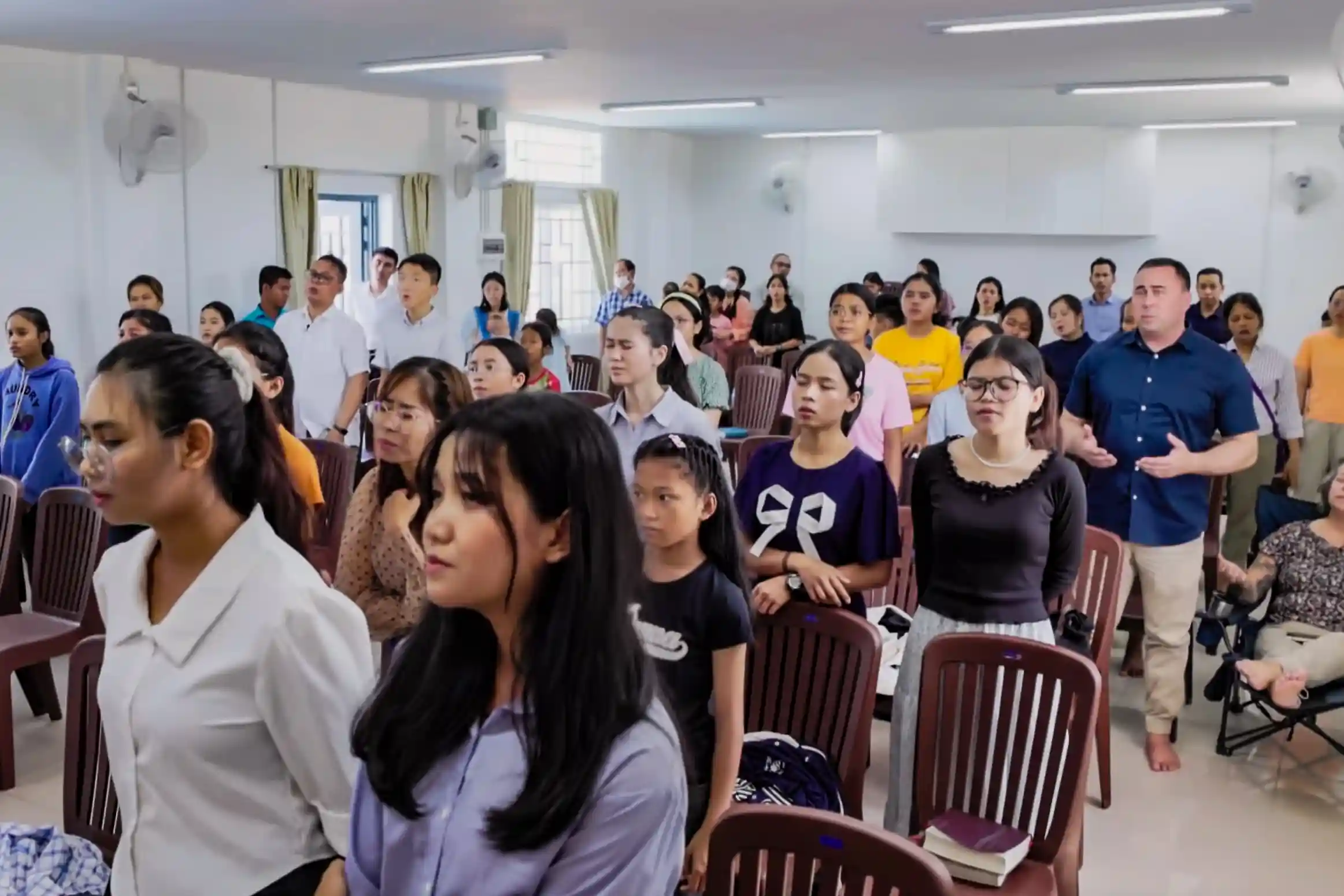
Embedded in this core value is understanding the church as the sender and the goal of global missions. Churches send missionaries into the world, and missionaries labor so that new churches may be planted. This interdependent relationship keeps the work rooted in the gospel and provides necessary accountability for both the sent and the sender.
Without this intimate connection, the results can be temporary and gospel work may struggle to stand the test of time. Recognizing the church’s role in sending is in keeping with Christ’s words: “I will build my church, and the gates of hell shall not prevail against it” (Matt. 16:18). This partnership in the gospel advances the gospel at home and abroad (Phil. 1:7). Sending bodies keep their focus on God’s heart for the nations and those sent receive the benefits of a relationship forged in the gospel of grace.
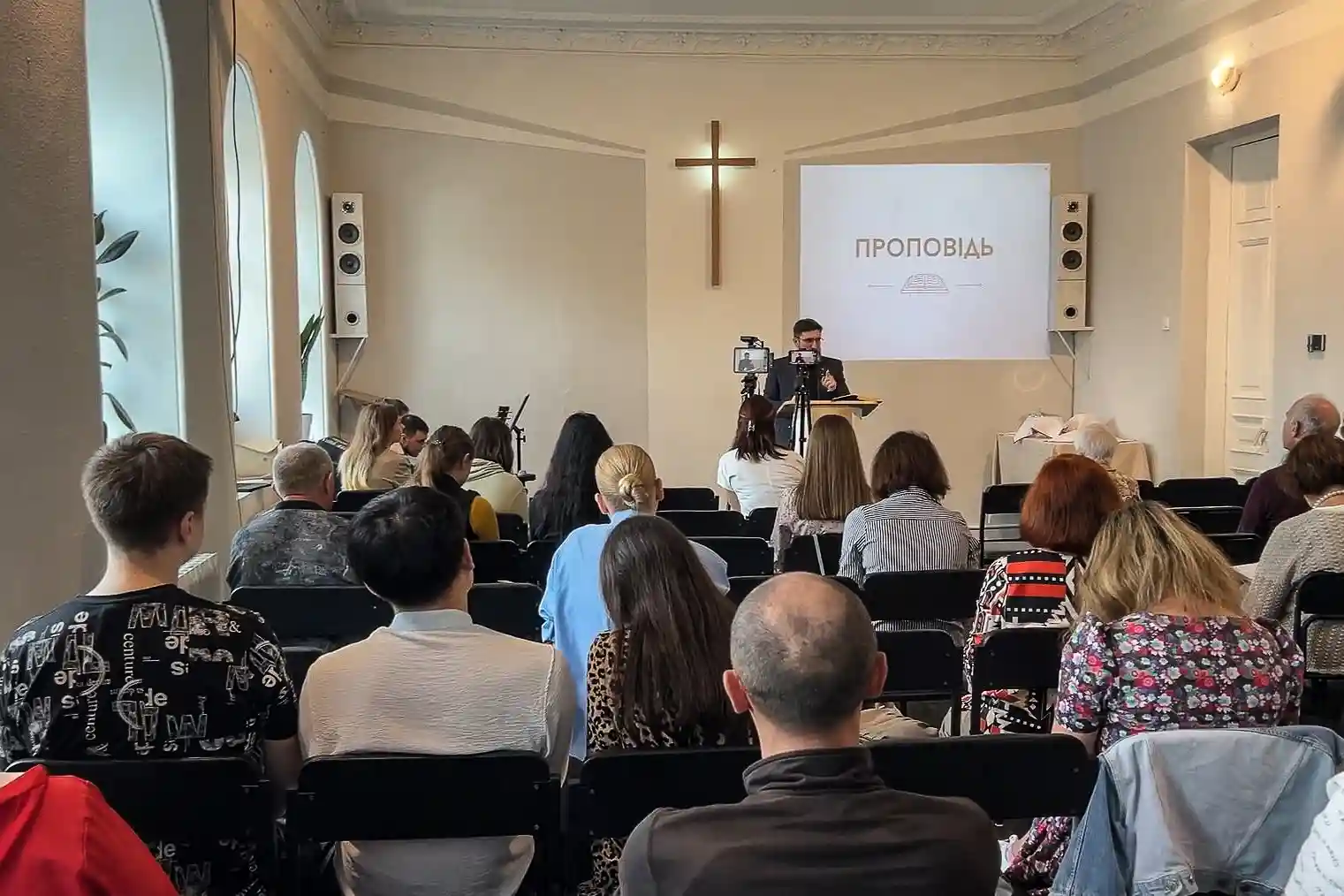
Loving the church in all its imperfection
To affirm MTW’s love for the church is not to ignore its weaknesses. Churches are made up of sinners saved by grace, and they often bear marks of brokenness and struggle. Yet Scripture consistently calls believers to love the church because Christ loves the church and gave Himself up for her (Eph. 5:25–27).
This love shapes our drive in global missions. We work patiently, invest diligently, and pursue long‑term church planting strategies. We commit ourselves to serving alongside local leaders, knowing that the Lord will be faithful to complete His good work (Phil. 1:6). The goal is not dependence on outside missionaries, but mature, self‑governing, self‑supporting, and mission‑sending churches.
At MTW we love the church. We plant churches because we believe it’s the most faithful express of obedience to the Great Commission. We labor trusting that through planting and nurturing faithful congregations, the knowledge of the Lord will fill the earth, to the glory of God the Father (Hab. 2:14).
Other articles in our “Values That Matter” series:

Greg Hills
Greg Hills serves as MTW’s Northeast/Mid-Atlantic director, mobilizing God’s people for the Great Commission. Greg graduated from NC State and Gordon-Conwell Seminary. For 20 years Greg pastored First Presbyterian Northshore in Boston. Greg now lives in Newark, Delaware, with his wife, Heather, and two daughters where they enjoy visits from his four grown sons.