Learning a “theology of place” as a missionary
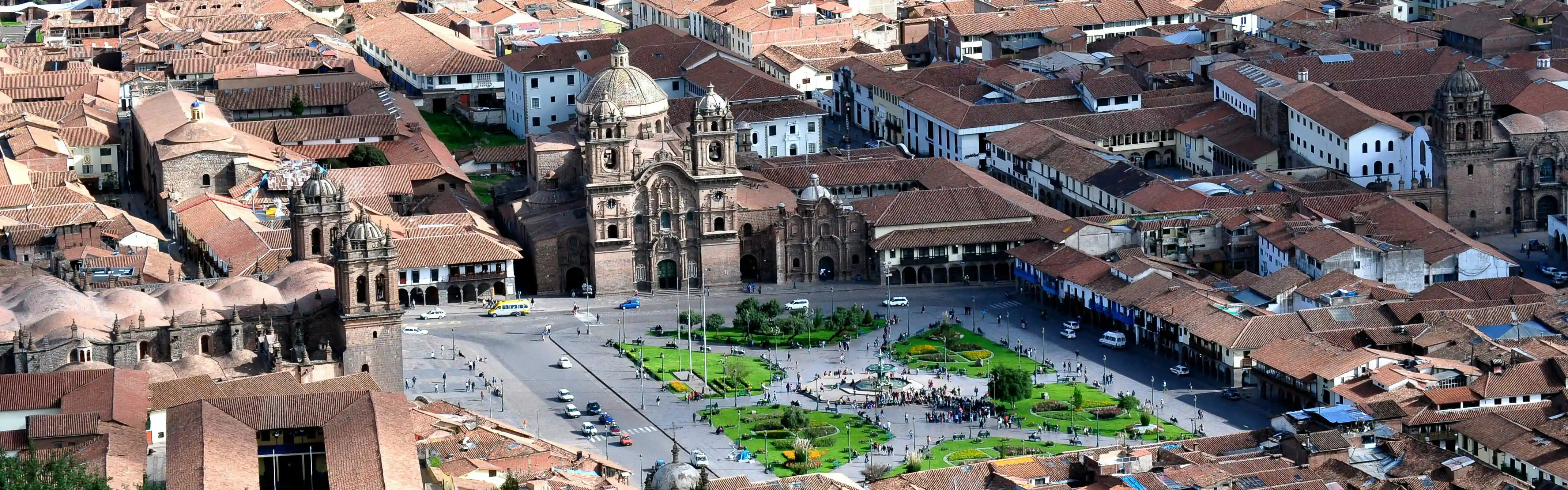
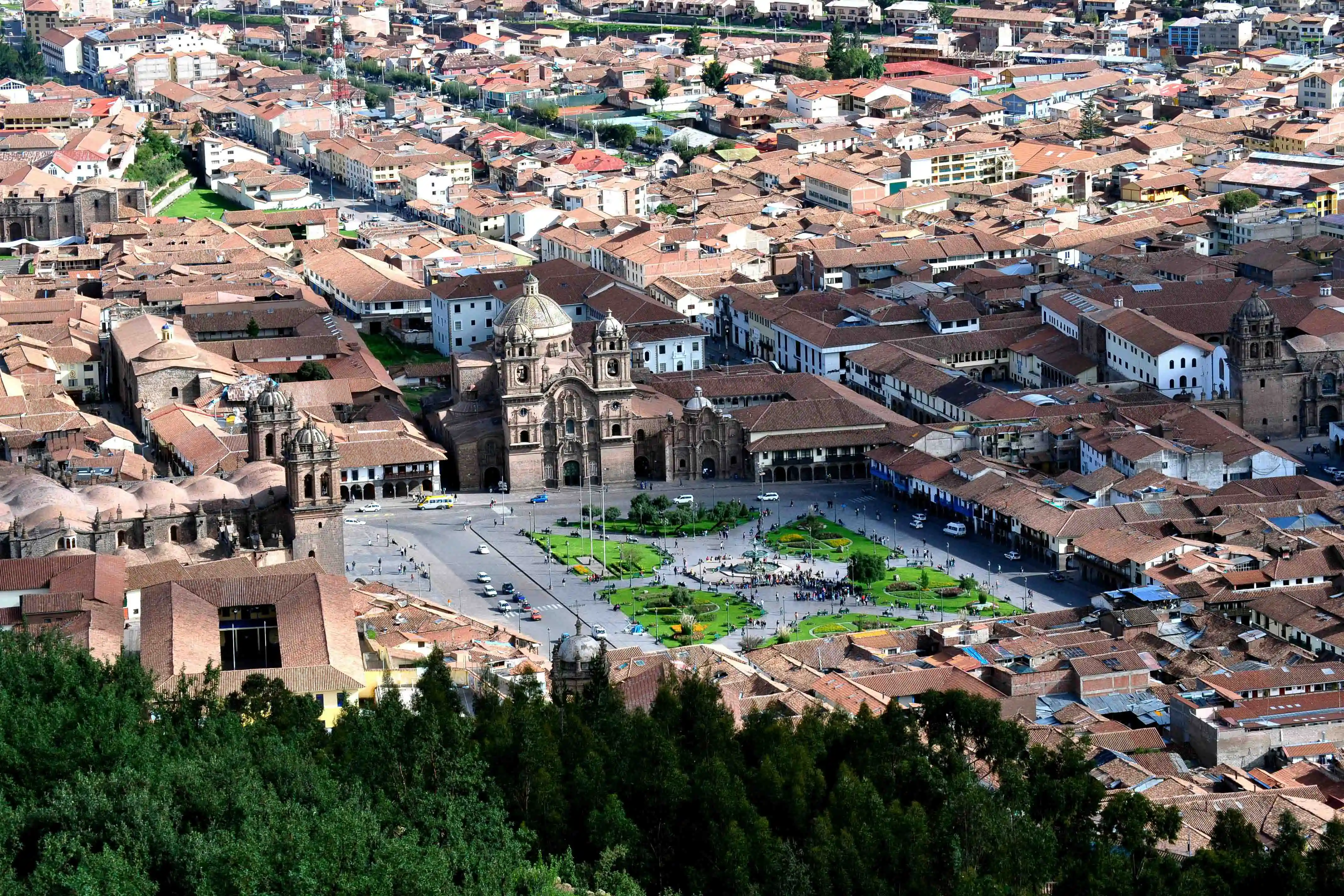
We chose an apartment in Peru much like anyone securing a rental property in the United States. We prioritized being close to work, church, and friends, seeking a home with ample space for daily life and hospitality. Ultimately, we found a place in a neighborhood that felt safe and welcoming. At the time, however, I gave relatively little thought to the spiritual forces that might already be at work in our community.
A few years later, my perspective began to shift as I came to understand a “theology of place.” Through the stories of other missionaries and through some of my own experiences as well, I had begun to realize that any believer’s residence in a neighborhood can be a powerful force for good, and my weekly routines could be of spiritual significance for my neighbors.
Walking prayerfully
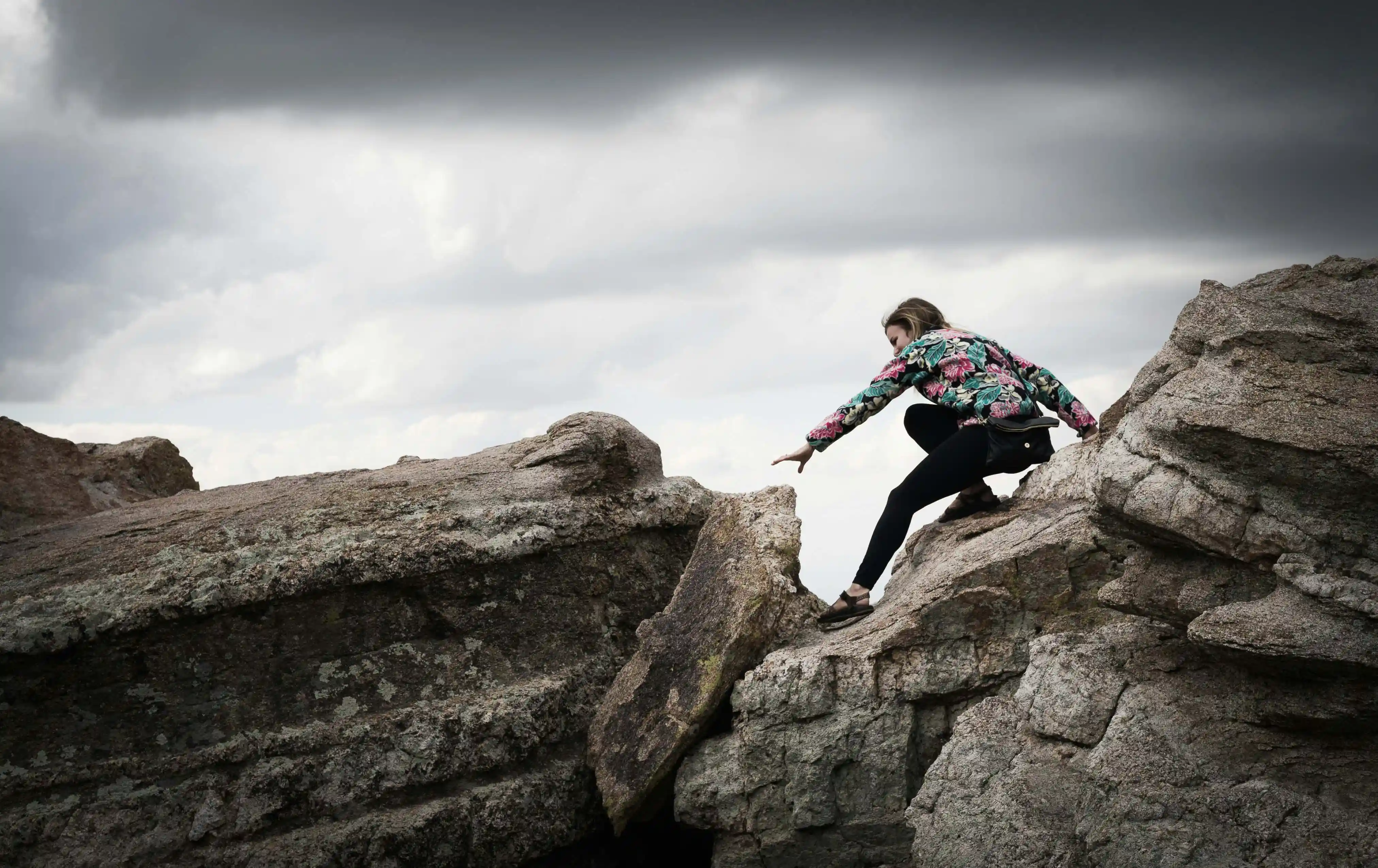
I learned to turn ordinary walks and jogs through our neighborhood into intentional prayer times. Rising at 6 a.m., I would throw on clothes, pull back my hair, and step out into the crisp morning air with my mind set to do spiritual battle for my neighborhood. As I passed buildings, vehicles, and residents, I prayed silently for the people and establishments around me. I interceded that truth might prevail in minds, that love would govern interactions between families and co-workers, and that justice would break through for the desperate and downtrodden. I prayed that the powers of darkness would be defeated and that light would break through, drawing people to God’s goodness and grace.
I also discovered that praise is a way of establishing spiritual authority. Psalm 8:2 says, “Out of the mouth of babies and infants, You have established strength because of Your foes, to still the enemy and the avenger.” I knew that God had used songs of praise to defeat His enemies more than once in the Old Testament, such as in 2 Chronicles 20 and Joshua 6. I found that as I praised God, declaring His sovereign power over evil, my own faith and confidence in the Lord grew. I began to delight deeply in the camaraderie I felt with saints of the past, present, and future—all waging this same warfare, pleading for the expansion of God’s kingdom for the good of all people.
Placed for a purpose
One of the things I came to appreciate most about our family’s lifestyle in Peru was the integrated, highly localized nature of our movements. Most of my time was spent within a two-mile radius. Because we did not need a vehicle, walking through the neighborhood was a daily necessity. I walked to the grocery store, my children’s preschool, church, the ballpark, and friends’ homes. Traveling slowly on foot helped me to feel connected to my community. It allowed me to notice small details—both positive and negative, and it challenged the North American tendency to remain insulated and anonymous. While my husband and I may have settled on our neighborhood with our own needs in mind, I realized that God had intentionally placed us there for His purposes. My job was simply to stay watchful, cultivating a posture of discovery to look for the people in whom God was already awakening a longing for truth, goodness, and hope.
Years later, I would learn that this localized approach to ministry echoes a rich historical pattern. Ancient Irish monks between the sixth and ninth centuries, for example, established deeply rooted monastic outposts to transform surrounding pagan cultures through daily presence, rhythm, and prayer. God has often used believers with an understanding of their providential place in specific communities to grow His kingdom throughout time.
Our home as a place of protection and blessing
Learning about the theological importance of physical spaces caused me to recall biblical accounts where evil forces were barred from operating near the dwellings of God’s servants. I thought of the fiery, angelic army encamped around Elisha in 2 Kings 6, and how Balaam’s curses over Israel’s camp were entirely intercepted and redirected into blessings in Numbers 22-24. We realized that our own home, by virtue of God’s presence within us, could be a powerful sanctuary of spiritual protection and blessing.
We began to think of our home as a “home court advantage” for ministry. As we considered the people around us who God had burdened our hearts for, we thought creatively about how to invite those people into our space and design experiences to meet the cries of their souls. To this day as I think about significant moments of spiritual breakthrough that we witnessed in Peru, the foremost are memories of interactions with people in our own living room.
Learning from the history of our place
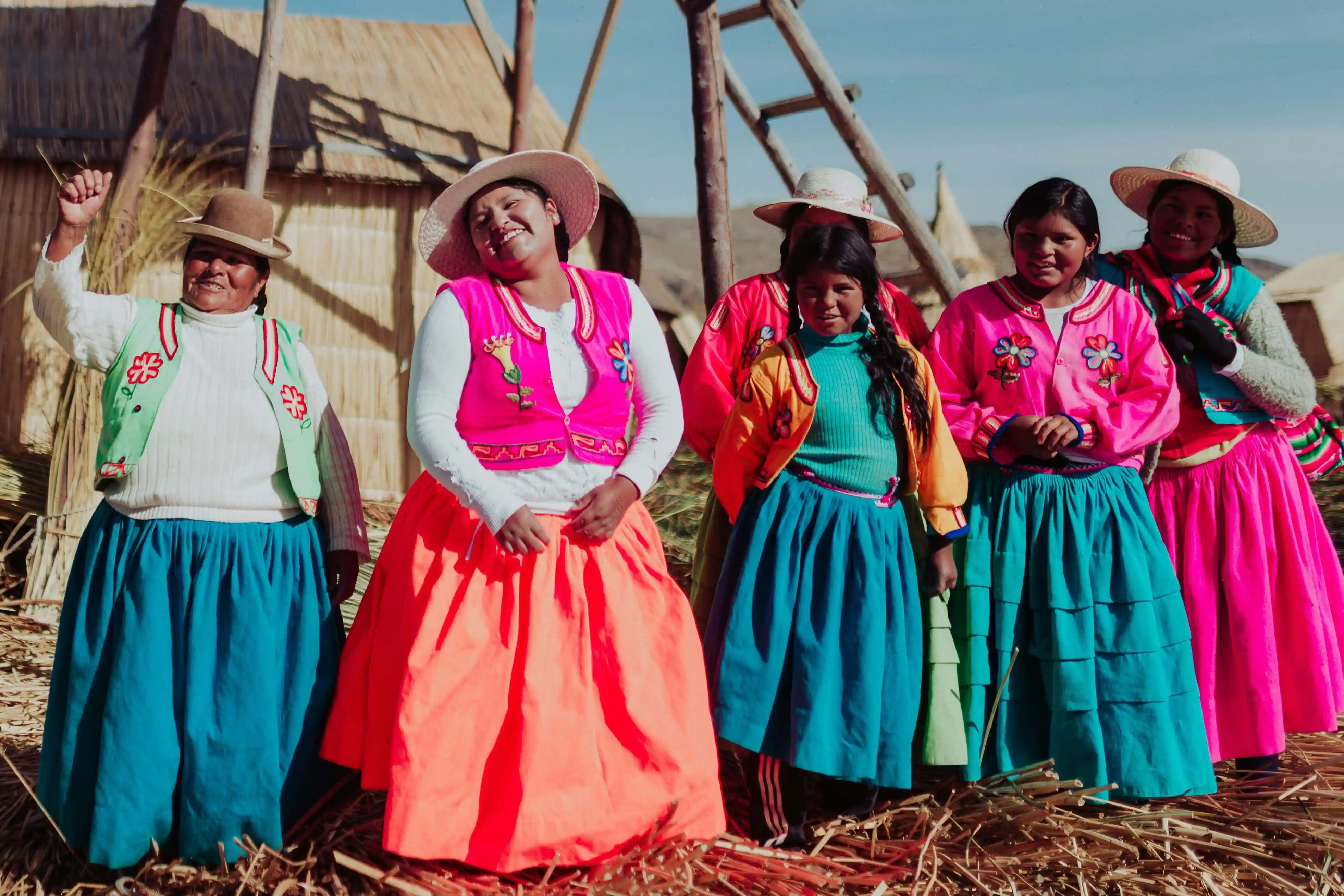
As I grew in noticing God’s work around me, I became curious about the history of the land where we lived. I began to read and reflect on the spiritual battles fought in our city in ages past. It struck me that many of the modern spiritual strongholds binding peoples’ lives were deeply connected to lies instilled by the enemy through centuries of oppression, manipulation, and fearmongering. Yet, I also noticed beautiful reflections of the image of God reflected in the culture that had developed over centuries in the people we lived among—generational aspirations and talents that had prevailed despite the spiritual darkness. These historical insights fueled my prayer initiatives and motivated me to share this burden for our city with others.
Inviting others into battle
As my husband and I grew in our awareness of how God was at work intentionally in the place where we found ourselves, we became eager to share these insights with our prayer partners back home. We designed a short-term mission trip agenda aimed primarily at making a spiritual impact through informed, targeted prayer across our city. It was incredibly fulfilling to put together and ultimately execute with a group from our sending church. What a joy to invite others into our ministry of place and watch them join the battle for the people and places we loved.
Your neighborhood an outpost of light
Living out a theology of place can fundamentally transform how we view our surroundings, whether we are stepping onto a foreign mission field or living in the same neighborhood we grew up in. God does not scatter His people randomly; He places us strategically, drawing boundaries and establishing outposts of light in dark places. When we stop viewing our zip codes through the lens of mere happenstance or convenience and start seeing them as active spiritual battlegrounds, our daily walks, open doors, and intentional prayers take on eternal weight.
You do not need a passport to join this battle. Whether you are preparing to cross an ocean or simply crossing the street to greet a neighbor, you are intentionally placed by God. Through intentional awareness of the specific history and needs of your unique community, you move from being a mere resident to becoming an active participant in God’s redemptive work—claiming territory for His kingdom right where you are, one square mile at a time.
Interested in serving? Visit mtw.org/serve to get started.

Get good news every week! Subscribe to Stories & More for stories of God's work, videos from the missions field, and a wide range of missions topics.

Laura Dougherty
Laura Dougherty, along with her husband, Derek, and two children, served in church-planting with MTW’s team in Cusco, Peru, from 2016-2021 helping to plant a local church. Laura and Derek also served with MTW’s learning team in training and development for new missionaries. They are passionate about helping others grow in their walk with the Lord and preparedness for ministry through group learning and interchange.